Mental Health
Strategic Mental Health Lead – Mrs Rooney
Senior Mental Health Lead – Dr Adams-White
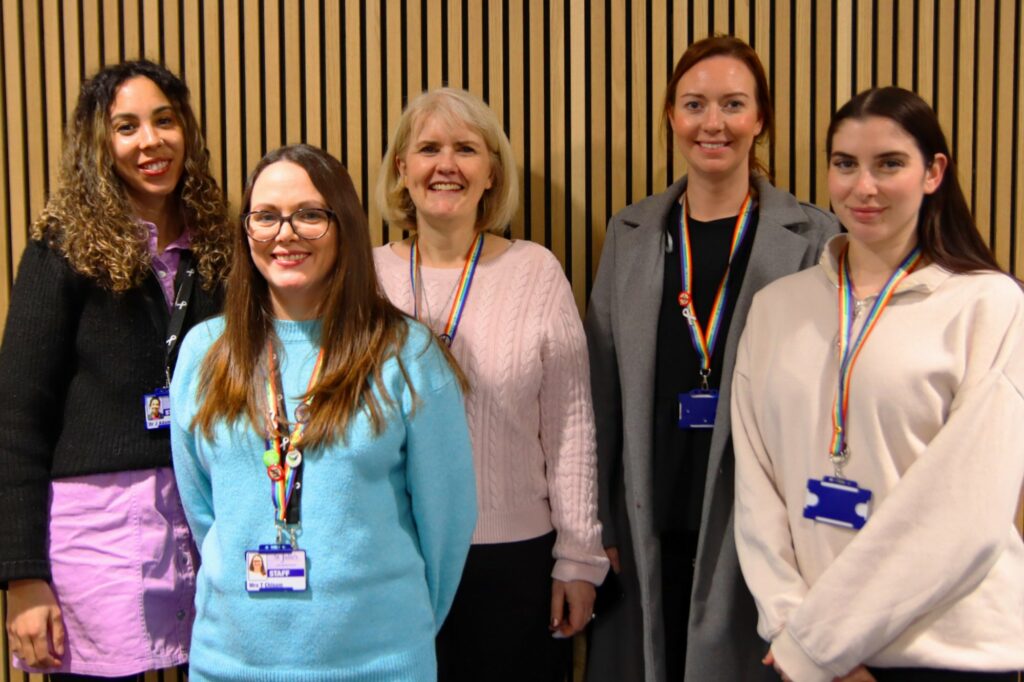
All pastoral team are qualified MHFAiders. MHFAiders are a point of contact if you or someone you are concerned about, are experiencing poor mental health or emotional distress. They are not therapists or psychiatrists but can give you initial support and signpost you to appropriate help if required
Pastoral
As well as your child’s Progress lead you can also get support from the pastoral support team.
- Attendance Manager & Student Support – Ms Ainsworth
- PSW – Miss Machin
- PSW – Mrs Woods
- PSW/ Mental Health Lead – Mrs Chisam
Progress Leads
- Year 7 – Mrs Maguire
- Year 8 – Mrs Navarro/Mrs Edwards
- Year 9 – Miss Corrigan
- Year 10 – Miss Homer
- Year 11 – Mr Mottram
Who we work with
We are passionate about supporting our pupils and work with a wide range of services to provide targeted support
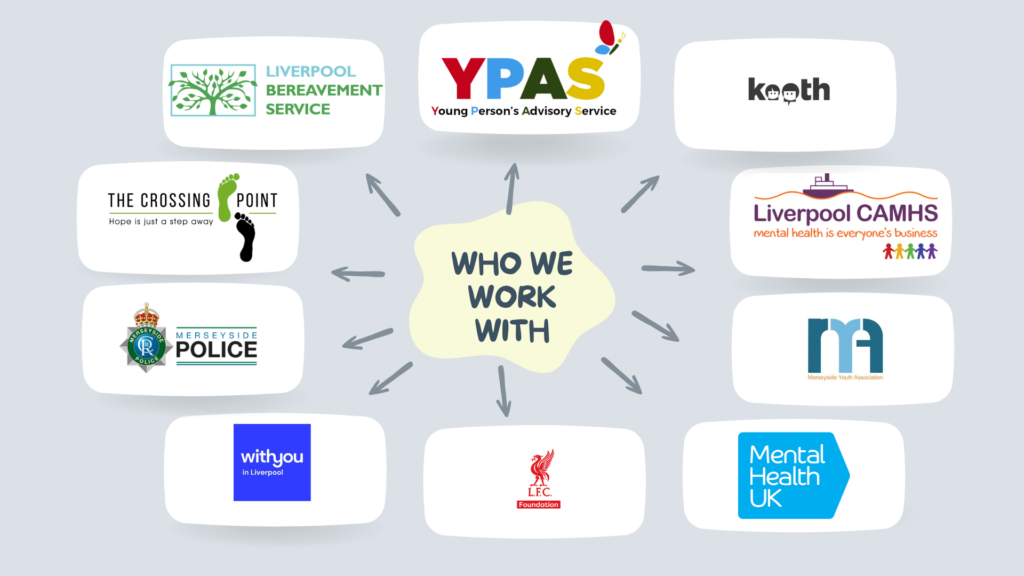
To find out more about the programmes delivered please click on the links:
LFC Foundation On Target Extra

TOTEM: Peer Mentoring Course
Designed and developed by young people for young people, ‘Talking Openly To Embrace Mental Health’ (TOTEM) gives them the skills to become confident peer mentors with a specific focus on mental health and emotional well-being. It empowers them to champion mental health and tackle stigma within their school or organisation.

What is REACT?
REACT has been developed by the MYA RAISE Team to support young people in schools with their mental health and wellbeing.
REACT programmes follow a train-the-trainer model, in which professionals are trained to deliver the programme in their setting, making it more sustainable and easier to manage.
This course is designed for staff in schools to help implement a whole-school approach to mental health. It supports the development of a tailored mental health and emotional wellbeing policy aligned with the eight core principles of school-based mental health.
Participants gain practical strategies for responding to a range of issues, including anxiety, depression, self-harm, eating disorders, and parental mental health—ensuring they can act as a first-line response when a child is in distress.